Social Media
During my career as a content creator, I have managed a handful of companies’ social media accounts which I will discuss on this page.


I have experience managing business Facebook pages and from this, I have learned the best approach is to keep content personable and relatable. On this platform, the users prefer a more personal approach with the ability to relate to the content.
Posting content such as good news updates or content people can engage with is a good content strategy for this platform.
Analytics – I use the Facebook business suite to keep track of these and utilise data such as reach, likes, demographics, age and gender.
I use this data to help me tailor the content and the approach to suit the target audience and see who is interacting the most.

I have found the key to Instagram content is to keep it as visual as possible.
Utilising video content and the “reels” section of your page helps to boost engagement and catch viewers’ attention from my experience.
Analytics – I use the Instagram business suite to keep track of these and utilise data such as reach, likes, demographics, age and gender.
I use this data to help me tailor the content and the approach to suit the target audience and see who is interacting the most.

From working with Twitter pages I have found the best approach is to treat it as a chat room.
The best way to increase engagement on Twitter is to engage with other users. Creating content that encourages engagement and sparks conversation should help your page grow.
Analytics – I use the Twitter analytics page to track data such as impressions, visits, mentions and follows.
I also use this to see when the page has been mentioned or retweeted so I can respond/interact as soon as possible as this will encourage further engagement.

The approach to Linkedin I use is similar to Twitter however on this platform you can afford to be a bit more opinionated and this usually has a good reaction.
Due to it being a more business platform it’s important to keep it mainly business-related however the odd bit of personal information can be received well.
I have also found that utilising the ability to post PDFs on Linkedin is very effective. providing users with free guides that they can download should encourage engagement and provide an extra path for people to discover your brand.
Analytics – I use the LinkedIn analytics page to track things such as Followers, engagement, views, the views job role and unique visitors.
I also use the competitor analysis tool on this page to keep track of where our competitors are and react accordingly to this.

Hootsuite
I use Hootsuite to manage the social media platform at Datacentreplus.
I use this to schedule posts, keep track of engagement, view analytics, engage with other users/pages and general admin.

Google Analytics
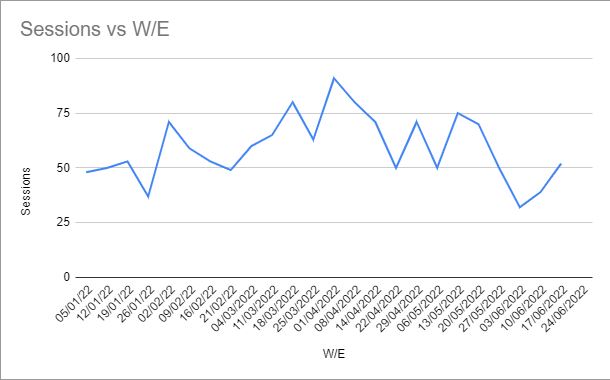
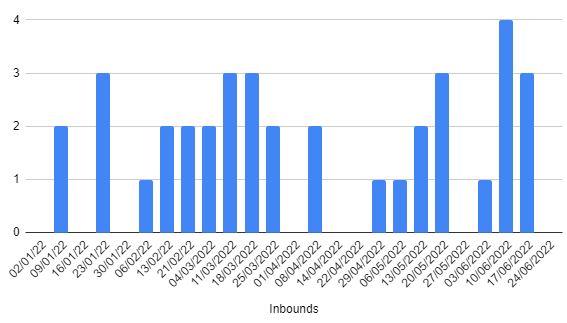
I use google analytics to keep track of all the data on the site. Some things I look out for are sessions, users, clicks, location, source, what device they’re viewing on and where they went on the site.
I use this to compile weekly marketing reports which are sent to the marketing manager, examples of which are shown below.
Example
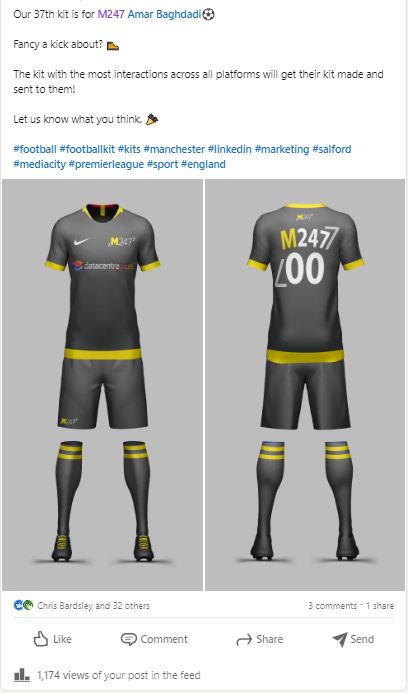
This is a post from the recent football kit campaign I created at Datacentreplus.
The copy is key to this campaign, it needs to be on-brand but also suited to the campaign.
I started by stating how many kits there have been to the viewer immediately knows it’s part of a campaign.
It’s important to tag the included company/person in the copy as this prompts them to engage.
I then put either something personal to the company or something fun to match the creative tone of the content.
After this, it’s important to state the aim of the campaign and the incentives for engaging so the viewer knows what this is about and why they should engage.
Finally, the best way to give your post the best chances of reaching people is to include hashtags. These should be related to the post and trending keywords.
Certificates
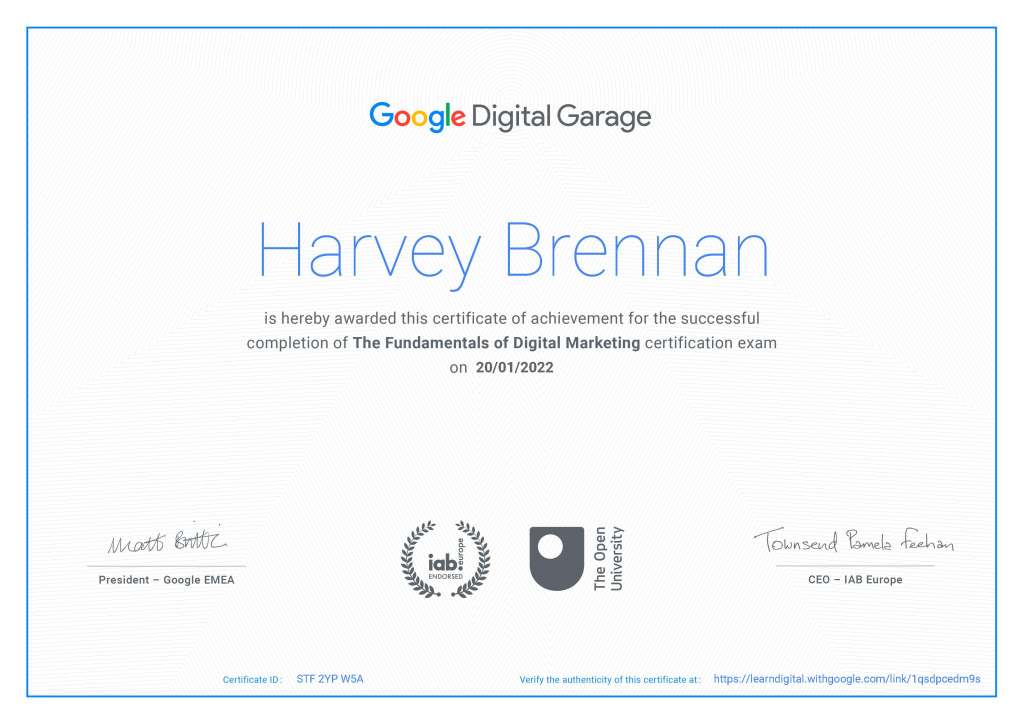
Google Digital Garage – The Fundamentals of Digital Marketing.
This is a course I graduated from during my apprenticeship, it covers all the fundamentals of digital marketing.
Some examples of the topics it covered were: SEO, content creation, copy, blog writing, social media, CMS, PPC, ads, analytics and campaigns.
 Portfolio